
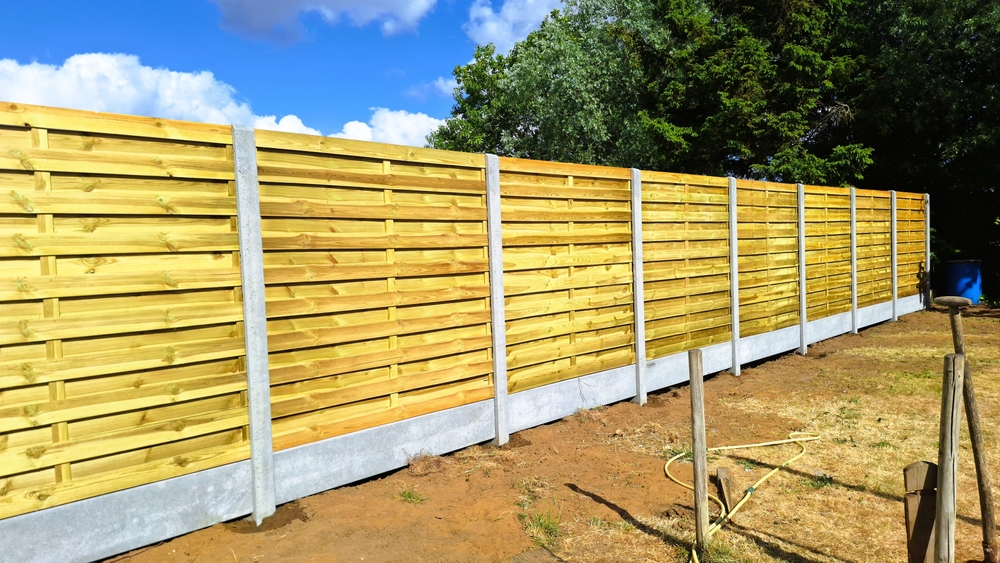
Installing a wood fence requires a significant investment of time and money for your residential property boundary. Homeowners naturally want to know the return on that investment before digging the first post hole. If you are planning an installation, you likely have a pressing question regarding how long does timber fencing last with regular maintenance before you begin.
The short answer is that a well-cared-for wood fence typically stands strong for 15 to 20 years. However, premium materials combined with strict upkeep routines can push that wood fence lifespan closer to 30 years. We will examine the specific data and professional practices that keep your boundary secure for many decades. For homeowners in the region, working with an experienced fence installing contractor in North Wales like Richboro Fence makes certain that your project starts with the right structural foundation.
Understanding the Baseline for Wood Durability
The overall life expectancy of your fence depends heavily on the quality of the raw materials. Different tree species possess varying levels of natural resistance to rot, decay, and damage from local insect populations. Manufacturers also treat certain woods with chemicals to artificially boost their timber durability against harsh outdoor elements.
A standard untreated pine fence may collapse after just five to seven years in damp climates, making wood rot prevention a top priority. Conversely, high-quality pressure-treated pine can easily survive 15 years in identical weather conditions. Upgrading to naturally resistant woods like cedar or redwood extends the baseline expectancy considerably for most properties.
Comparing Popular Fence Materials and Their Natural Durability
Your choice of lumber serves as the foundation for your property boundary and long-term security. The climate in your region heavily influences how these different woods perform over years of exposure.
Wood Material Performance Comparison
| Wood Type | Estimated Lifespan (Maintained) | Natural Rot Resistance | Common Maintenance Need |
| Pressure-Treated Pine | 12–15 Years | Chemical-based | Frequent Sealing |
| Cedar | 15–20 Years | High (Natural Oils) | Stain to preserve color |
| Redwood | 25–30 Years | Exceptional | UV Protection |
| Untreated Pine | 5–7 Years | Very Low | Constant Monitoring |
Pressure-Treated Pine: Affordable Longevity
Contractors utilize pressure-treated pine for most residential projects due to its affordability. Treatment facilities inject chemical preservatives deep into the wood fibers under extreme pressure. This process creates a barrier against termites and fungal decay. While durable, the material requires consistent sealing with a high-quality fence sealant to prevent warping as it dries out.
Cedar Lumber: Natural Resistance
Cedar contains natural oils that repel insects and resist moisture penetration without harsh chemicals. This attractive wood resists warping and shrinking, which keeps your fence line straight. Expect a well-maintained cedar fence to reach 15 to 20 years. Many homeowners prefer cedar because it lacks artificial chemicals and weathers to a beautiful silver-gray color if left unsealed.
Redwood: The Premium Standard
Redwood stands at the top of the market for both beauty and structural longevity. Like cedar, it features natural defensive oils but offers an even denser wood grain. Property owners can expect up to 30 years from a premium redwood installation. Richboro Fence can help you determine which premium wood fits your specific regional climate for maximum return on investment.
The Professional Approach to Maintenance
Proper care prevents premature decay and keeps your boundary looking fresh. Implementing a seasonal schedule prevents minor issues from escalating into major structural failures. If you are considering a new wooden fence installation in Bucks County, starting with a professional maintenance plan is essential.
Essential Maintenance Routine
- Annual Cleaning: Remove dirt, mold, and mildew using a power washer on a low setting. Keep the wand at least 18 inches away from the wood to prevent splintering the grain.
- Quality Sealant Application: Coat the dry wood with a UV-resistant, waterproof stain. Reapply this protective layer every two to three years. A quick test is to splash water on the boards; if it absorbs instead of beading up, it is time to seal.
- Clear the Fence Line: Trim back bushes and vines that touch the wood surfaces. Organic matter traps moisture against the lumber and accelerates the rotting process.
Managing Environmental Threats and Rot Prevention
Even expensive lumber remains vulnerable to specific hazards. Soil contact represents the most aggressive threat to wooden posts and bottom rails. When wood sits directly in damp earth, fungi and bacteria immediately begin breaking down the cellulose fibers.
Critical Stability Factors:
- Ground Clearance: You must maintain a gap of at least two inches between the bottom rail and the ground to prevent moisture wicking.
- Sprinkler Positioning: Never direct lawn sprinklers at your fence. Constant wetting and drying cycles cause wood to split and warp prematurely.
- UV Protection: Ultraviolet radiation strips away natural color and weakens the structure. Regular staining provides essential UV protection and prevents fibers from drying out.
Hardware Selection for Strength
The metal fasteners holding your panels together play a critical role in maintaining structural integrity. Using standard steel nails on cedar or redwood causes rapid chemical reactions and ugly black stains. These cheap fasteners rust quickly, leaving dark streaks and eventually causing panels to fall off the frame.
Professionals strongly recommend using hot-dipped galvanized or stainless steel screws. Screws provide superior holding power as wood naturally swells and shrinks. Upgrading your hinges and gate latches to heavy-duty, powder-coated steel prevents sagging gates and alignment issues. Richboro Fence uses high-grade hardware in every installation to certify that the metal components last as long as the timber.
Recognizing When to Repair Versus Replace
Every fence eventually reaches a point where maintenance no longer prevents failure. Knowing when to patch a problem and when to rebuild saves frustration and money.
- Isolated Damage: If rot is found in a single picket or rail, a quick repair makes financial sense. You can swap out damaged sections without compromising the rest of the structure.
- Structural Failure: If more than twenty percent of your fence posts lean or show base rot, a full replacement is necessary. Pounding splints next to rotting posts only buys a few months of borrowed time.
- Fastener Failure: If the wood is healthy but the nails are pulling through the entire line due to age, it may be more cost-effective to rebuild the panels.
Final Thoughts on Your Fencing Investment
A wooden fence adds security, privacy, and visual appeal to your property for many years. While the raw materials dictate the baseline potential, your commitment to seasonal upkeep decides the final lifespan. A neglected fence will rot in a fraction of its intended lifetime, whereas a maintained one can serve your family for decades.
Secure Your Property with Richboro Fence
Investing in high-quality materials and professional installation is the best way to make sure that your fence stands the test of time. Whether you need a brand-new perimeter or expert advice on maintaining your current structure, our team is here to help. Contact us today for a free consultation and let us help you maximize the lifespan of your wooden fence with professional installation and expert care!