
When choosing a perimeter for your property, long-term upkeep is often just as important as the upfront price tag. One of the primary reasons homeowners and commercial property managers choose galvanized or vinyl-coated steel netting over wood or ornamental iron is its reputation for hassle-free longevity.
Unlike wood boundaries that require frequent staining, sealing, and rot repair, a chain link structure requires minimal attention to stay functional and clean. However, “low maintenance” does not mean “zero maintenance.” Over time, weather, shifting soil, overgrown vegetation, and accidental impacts can affect your fence’s structural integrity and appearance.
At Richboro Fence, we build perimeter solutions designed to withstand tough seasonal weather, heavy winds, and daily wear. Understanding basic upkeep requirements helps you extend the lifespan of your enclosure, protecting your investment for decades without sinking endless hours or dollars into repairs.
The Core Advantages of Low-Maintenance Metal Fencing
Chain link systems perform remarkably well in varied climates because their open-weave mesh design allows wind, rain, and snow to pass directly through rather than building up dynamic pressure.
Why Maintenance Requirements Are So Low:
- No Painting or Staining: Galvanized steel is dipped in protective zinc coatings that prevent rust from forming, removing the need for regular painting.
- Rot and Pest Resistance: Steel components will not rot from soil moisture or sustain damage from termites, carpenter ants, or wood-boring insects.
- Flexibility Under Impact: The woven wire mesh acts like a flexible net, absorbing minor bumps from stray sports balls or falling branches without snapping.
- Minimal Surface Area: Dirt, leaves, and debris rarely cling to thin wire mesh, eliminating the need for frequent pressure washing.
Chain Link Upkeep Requirements by Frequency
While routine care is simple, following a consistent schedule keeps hardware working smoothly and stops minor issues before they turn into structural failures.
The chart below breaks down standard upkeep tasks by frequency and difficulty level:
| Inspection Schedule | Primary Maintenance Task | Purpose / Benefit | Effort Level |
| Seasonal (Spring/Fall) | Clear vegetation, vines, and leaf pileup | Prevents weight-related sagging and moisture traps | Low |
| Bi-Annually | Wash down mesh and posts with water and soap | Removes road salt, mud, and organic film | Low |
| Annually | Lubricate gate hinges and latch mechanisms | Keeps swing movement fluid and stops internal pivot rust | Low |
| Annually | Check and tighten carriage bolts and bands | Prevents loose rails and sagging tension bars | Medium |
| Post-Storm / As Needed | Touch up chipped metal with zinc-rich spray | Seals raw steel against rust formation | Low |
Essential Routine Maintenance Tasks
Taking care of your enclosure involves a few basic steps that take only a few minutes a few times a year.
1. Managing Vegetation and Overgrowth
Vegetation is the single biggest natural threat to an established wire mesh boundary. Climbing vines like ivy, honeysuckle, or wild grapevines may look attractive, but their weight pulls top rails out of alignment and warps wire pickets over time. Heavy weeds and thick grass growing through the bottom tension wire also trap moisture against the steel, accelerating rust near ground level.
Keeping a clear 6-to-12-inch border along the base using a string trimmer or mulch bed protects the bottom loop knuckles. The team at Richboro Fence recommends checking perimeter lines every spring to clip back encroaching tree branches and heavy brush before they push against the top rail.
2. Washing Away Environmental Dirt and Salts
For the most part, rain performs all the washing your wire mesh will ever need. However, areas exposed to heavy road salt during winter, coastal salt air, or muddy runoff can accumulate corrosive deposits over time.
Washing down the mesh once or twice a year with a garden hose fitted with a spray nozzle removes surface grime. For stubborn dirt or bird droppings, scrub the affected areas using a soft-bristled brush and a bucket of warm water mixed with mild dish soap, then rinse thoroughly.
3. Lubricating Moving Gate Components
Latch assemblies and gate hinges undergo constant friction during daily use. Without proper lubrication, metal-on-metal grinding wears down protective coatings and causes squeaking or binding.
Applying a generous spray of silicone lubricant or white lithium grease to hinge pin pivots and latch gate catches twice a year keeps everything moving effortlessly. Avoid using heavy motor oils or grease that attract dirt and grit, which can grind away internal metal over time.
Handling Common Minor Repairs
Even sturdy metal structures encounter occasional wear and tear. Addressing small issues quickly prevents costly replacements later.
Touching Up Coating Scratches
If a lawnmower, string trimmer, or falling branch scratches the protective galvanized zinc coating down to raw steel, rust can take hold. Keep a can of cold-galvanizing compound or zinc-rich spray paint on hand. Lightly sand the exposed metal spot with fine sandpaper, wipe it clean, and apply a light coat of zinc spray to restore moisture protection. For vinyl-coated systems, matching touch-up paint pens seal exposed inner wire cores.
When scheduling a high-quality chain link fence in Philadelphia, property owners should pay extra attention to road-salt exposure during winter months. Quick touch-ups along base rails keep urban perimeters looking pristine for years.
Adjusting Loose Hardware
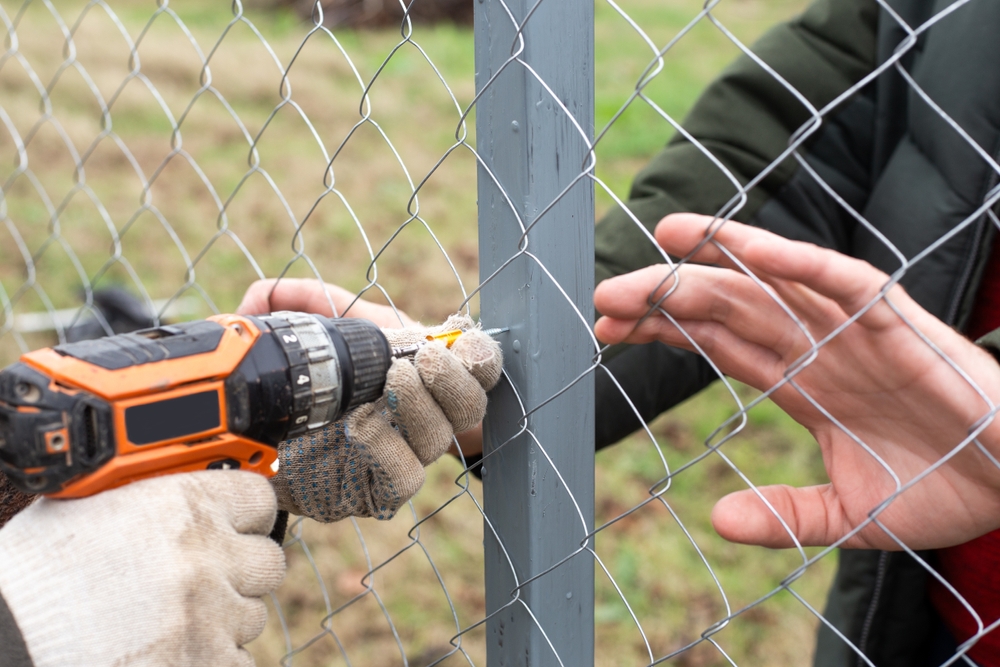
Freeze-thaw cycles cause ground movement that can loosen bolts holding tension bands, rail end caps, and brace bands in place. Once a year, walk your fence line with a standard socket wrench and snug down any loose carriage bolts on your terminal posts.
If you ever notice a sagging section of wire mesh, a missing tension bar, or a leaning post after severe weather, contacting Richboro Fence for prompt professional repairs protects the surrounding framework from taking on unnecessary strain.
Protecting Posts and Concrete Footings
A perimeter is only as strong as its underground foundation. Maintaining terminal posts and concrete footings prevents structural failure.
Preventing Soil Erosion and Frost Heave
Excessive rainfall or improper drainage can wash away soil around post bases, exposing concrete footings. Conversely, winter frost heaves in poorly drained soil can lift posts upward, throwing top rails out of level.
Inspect your post bases periodically to make sure that soil drains away from the concrete rather than pooling around it. If ground erosion occurs along your property line, backfill exposed footing tops with dirt and tamp it down firmly.
For property owners booking a professional fence installation in Norristown, working with experienced contractors like Richboro Fence guarantees that post holes are dug below local frost lines in heavy clay soil, drastically reducing the risk of post shifting over time.
Galvanized vs. Vinyl-Coated: Maintenance Differences
The exact type of wire system you choose also impacts your long-term maintenance requirements:
Standard Galvanized Steel
- Upkeep Profile: Very low.
- Primary Concern: White rust or oxidation spots over long periods in humid climates.
- Best Practice: Periodic freshwater rinses and zinc touch-up spray on deep scratches.
Color Vinyl-Coated (PVC) Steel
- Upkeep Profile: Ultra-low.
- Primary Concern: Sun fading or vinyl tearing from heavy impacts.
- Best Practice: Avoid using harsh chemical solvents or abrasive pads that can scratch or strip the protective PVC vinyl layer.
Let Richboro Fence Handle Your Perimeter Needs
Chain link fencing remains one of the most cost-effective, long-lasting, and low-maintenance solutions for residential and commercial properties alike. With just a little seasonal cleaning, vegetation management, and quick hardware checks, your boundary will keep your property secure and looking great for decades.
If you are looking to build a new boundary, repair existing hardware, or upgrade to a durable vinyl-coated system, Richboro Fence is here to help. Our team brings years of field experience, top-tier materials, and exceptional craftsmanship to every project.
Contact Richboro Fence today to request an estimate or consult with our experts about your upcoming fencing plans!