
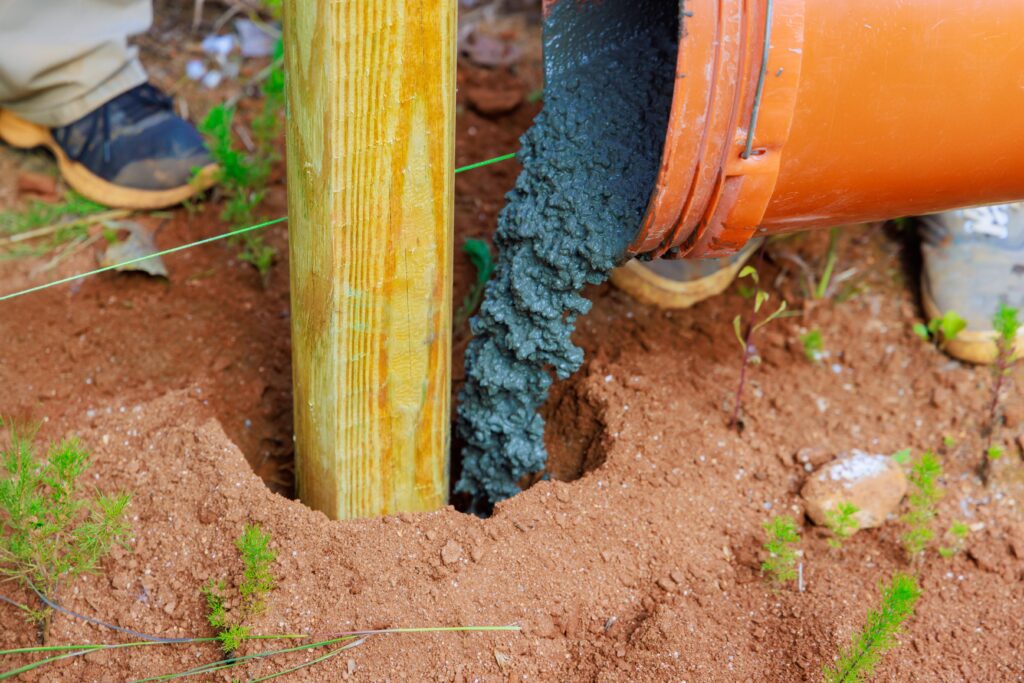
Building a solid and long-term fence is a function of careful preparation and proper installation protocols. You may be a homeowner or a contractor, but having an awareness of the nuances of fence post installation makes all the difference in the longevity and appearance of the structure.
If you are considering putting in a fence, it is essential that you know when to utilize concrete to anchor your fence posts and when other processes might be best. We at Richboro Fence pride ourselves on offering quality fence solutions that meet your unique needs. Our experienced professionals have familiarity with local conditions, which helps us build fences that protect your property for many years to come.
The Importance of Proper Fence Post Installation
An effectively installed fence starts at the beginning with your fence posts. They are the anchor of your entire system. They support the panels, gates, and decorative trim. Proper installation not only makes the fence look better but also makes it safer, more stable, and longer-lived. If you are planning a project and need fence installation in Willow Grove, PA it is vital to understand how soil density in that area affects your choice of anchoring.
When to Use Concrete for Fence Posts
Concrete provides a robust and stable base in challenging conditions. For fence installation in Philadelphia, PA, where weather extremes and soil conditions vary significantly, concrete often becomes the material of choice.
1. High-Wind Areas and Tall Fences
Consider using concrete if your yard is an open space that catches a lot of wind. Any fence over 6 feet tall acts like a sail. Without a concrete base, the wind can eventually wiggle the post loose in the soil. Once a post has even a half-inch of “play” in the dirt, the hole will continue to widen every time a storm hits. This eventually leads to a permanent lean that is difficult to correct without a full dig-out.
2. Heavy Materials and Wrought Iron
If you are installing wrought iron, thick hardwoods, or heavy pressure-treated lumber, you need the mass of a concrete footing. These materials are too heavy for packed dirt to support over time. Gravity will pull these posts downward or sideways if they are only sitting in soil, especially after a heavy rain softens the ground.
3. Gate Posts and Stress Points
Concrete is highly recommended for gate posts. These posts bear constant stress every time the gate opens and closes. Without a rock-solid anchor, the weight of the gate will cause the post to lean. This leads to latches that do not line up and gates that scrape against the ground, damaging the frame of the gate itself.
4. Unstable Ground and Drainage Issues
In soft ground conditions such as sand or poorly draining soil, concrete gives a firm footing that resists tilting or settling. In cold climates where frost heave can push posts up, a concrete footing extending below the frost line provides vital support that keeps the fence from “walking” out of the ground.
Understanding the “Frost Line” in Pennsylvania
A major reason we use concrete in the Delaware Valley is the frost line. In our region, the frost line is typically between 30 and 36 inches deep. When the moisture in the ground freezes, it expands. This expansion creates an upward force called frost heave.
If your post is only 24 inches deep, the frozen ground will grab the bottom of the post and pull it upward as the soil expands. Over a few winters, your fence will look wavy and uneven. By using a concrete footing that reaches 36 inches or deeper, you anchor the post in soil that never freezes. This keeps the fence perfectly level regardless of how cold the winter gets.
When Can You Skip the Concrete?
While concrete is superior in most instances, there are certain situations where other measures are sufficient or even better for the wood. For light, decorative, or short fences in well-draining soil, backfilling with gravel or compacted soil may be enough.
1. Hardened Clay or Rocky Soil
Where the ground is already hard and contains a lot of rock or clay, well-packed soil or gravel around the post provides adequate grip. In these specific conditions, the soil itself acts like a natural concrete, locking the post into place without the need for extra materials.
2. Preventing Rot in Wood Posts
Wooden fences in moderate weather can sometimes benefit by skipping the concrete. This prevents water from being trapped against the grain. When you pour concrete around a post, it creates a “cup” at the bottom. If water gets between the wood and the concrete, it has nowhere to go. This can speed up the rotting process at the base of the post if proper drainage is not installed.
3. Low-Impact Decorative Fencing
Low fences under 4 feet usually do well with normal backfilling methods. Since these fences do not catch much wind and carry very little weight, the extra expense and labor of concrete might not be necessary to keep them upright.
The Benefits and Drawbacks of Concrete
Using concrete for fence posts has several advantages. It is more stable and resists leaning from wind or impact. Concrete also contributes to the life of the fence by securely anchoring posts and preventing them from sinking into soft mud during the rainy season.
Looking at the Disadvantages
Although it has benefits, concrete installation has a few downsides. It costs more in terms of labor and materials. Repairing a rotted or broken post set in concrete is hard work. You have to break and dig out the old footing, which often weighs over 100 pounds and requires a jackhammer or heavy digging bar. If installed incorrectly without a drainage layer of gravel at the bottom, concrete traps moisture against wooden posts and causes faster decay than soil alone.
How to Properly Use Concrete (The Professional Method)
If you choose to use concrete, there is a right way to do it. You should never just pour concrete into a dry hole and hope for the best.
- The Gravel Base: Always put 4 to 6 inches of gravel at the bottom of the hole before the post goes in. This allows water to drain away from the bottom of the wood instead of sitting in a pool.
- The Bell Shape: Dig the hole so it is wider at the bottom than at the top. This “bell” shape makes it impossible for frost heave to pull the concrete slug out of the ground because the wider base is locked under the frozen layer.
- The Crown: Finish the top of the concrete so it slopes away from the post. This keeps rainwater from sitting at the junction where the post meets the footing, which is the most common spot for rot to begin.
Factors to Consider in Your Decision
When determining whether to install with concrete, think about local building codes, soil conditions, and your budget. In our region, the weather can be extreme and soil conditions are mixed. Talking to local fencing experts means your fence is properly installed and meets local code requirements.
You should also consider the specific type of wood or vinyl you are using. Some materials expand and contract more than others, which can affect how they sit inside a concrete sleeve. Vinyl posts often require an internal “stiffener” if they are being set in concrete for a gate to prevent the latch from falling out of alignment.
Trust the Experts at Richboro Fence
At Richboro Fence, we bring years of experience in fence installation across the area. Our team is dedicated to providing durable, beautiful fences that fit your specific property. We understand the frost lines and soil types of Pennsylvania, which allows us to choose the right anchoring method every time. Contact us today to discuss your project. We can walk you through the pros and cons of concrete based on your specific yard and the fence style you want. Let us help you build a fence that stands the test of time. Reach out now for a free consultation and quote!