
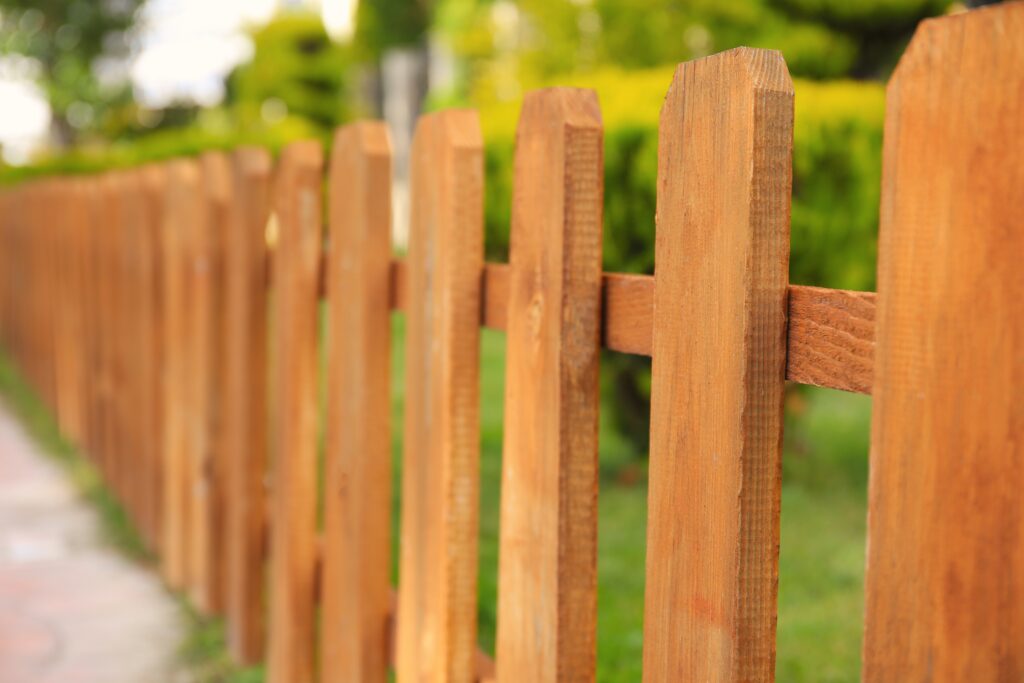
You love the look of your wood fence, which brings a classic charm to your outdoor living space. That natural beauty is something a vinyl fence or metal fence just can’t replicate. But the thought of endless scraping, staining, and worrying about wood rot can be overwhelming. Companies like Richboro Fence understand this balance—how to preserve the timeless look of wood while helping homeowners reduce the long-term upkeep.
What if there was a better way? You can learn how to minimize wood fence maintenance without giving up the aesthetic you chose. It is possible to have a stunning wood fence without spending every sunny weekend working on it. With the right advice from experts such as Richboro Fence, you can enjoy your fence longer with less hassle.
The secret is not one magic trick but making smart choices from the beginning. Then, you follow a simple, low-effort routine. This guide will walk you through exactly what you need to do to protect your wooden fences for the long haul. Whether you’re tackling the project yourself or working with fencing professionals like Richboro Fence, starting with the right plan makes all the difference.
Start with the Right Foundation: Wood Choice Matters
Before the first fence post enters the ground, you have a huge opportunity to reduce future work. The type of wood you choose is the single biggest factor in how much maintenance your fence requires over its lifetime. Getting this decision right upfront saves you years of headaches and extra labor. Local experts like Richboro Fence can walk you through options that best fit your home, budget, and maintenance preferences.
Think of it like building a house foundation; using subpar materials leads to long-term problems. The same logic applies to your wooden fence. Paying more now for a durable, resistant wood can save you a ton in replacement costs and labor down the road. Trust us with your fence installation in Harleysville, PA.
Pressure-Treated Pine: The Budget-Friendly Workhorse
You see pressure-treated wood fences everywhere for good reason. It’s one of the most affordable options, which makes it attractive for large fencing projects. The wood is chemically treated to fight off the two biggest enemies of any exterior wood: rot and insects.
This treatment helps a pine fence last much longer than it would naturally. However, it is not immune to the effects of extreme weather. Sun and rain will still cause it to fade, crack, and warp over time if it’s not protected.
While you get a head start against decay, you will still need to clean and apply a fresh coat of sealant to a pressure-treated fence regularly. Plan on this general maintenance every two to three years to keep it in good shape and protect your investment.
Cedar: The Naturally Beautiful Defender
If you want a fence that looks incredible and has built-in protection, cedar is a top contender. It is famous for its rich color and beautiful grain. More importantly, cedar contains natural oils that make it resistant to decay and insects.
This natural resistance means cedar requires less chemical help to survive the outdoors. Many people let their cedar fences age to a silvery-gray patina. If you want to keep that fresh color, you will need to apply a stain with UV protection.
Even with its natural defenses, a sealant is a good idea to prevent moisture absorption. A quality sealant will help prevent the wood from cracking and splitting over time. Because of its strengths, you might only need to re-seal a cedar fence every three to five years.
Western Red Cedar: The Superior Natural Choice
For those seeking the best that nature has to offer, Western Red Cedar is a premier choice. It carries all the benefits of standard cedar, such as natural resistance to rot and insects, but often to a higher degree. Its fine, straight grain and rich, warm tones provide an unmatched aesthetic for any property.
Western Red Cedar is exceptionally durable and holds stains and sealants very well, extending the time between applications. While it is a more significant upfront investment, its longevity and low maintenance needs can make it more cost-effective over time. To preserve its vibrant color and protect wood fibers, a high-quality sealant with UV blockers is recommended every few years.
Redwood: The Premium, Long-Lasting Choice
Redwood is another wood that, like cedar, has a natural ability to fight off rot and pests. As the U.S. Forest Service notes, heartwood from species like redwood and cedar has a high level of natural decay resistance. This makes them excellent choices for outdoor structures.
It has a stunning deep red hue that gives any property an upscale look. Because of its natural tannins, a redwood fence can stand up to the elements for a long time. It is one of the more expensive wood options, so it’s a significant initial investment.
Like Western Red Cedar, redwood will eventually fade to a weathered gray if left unstained. To maintain its vibrant color, you will need a quality stain with UV protection. While it is very durable, applying a clear sealant is still recommended to help it repel water and last as long as possible.
Comparing Your Wood Options
| Wood Type | Initial Cost | Natural Resistance | Maintenance Frequency |
| Pressure-Treated Pine | Low | Low (Chemically Enhanced) | Every 2-3 Years |
| Cedar / Western Red Cedar | Medium-High | High | Every 3-5 Years |
| Redwood | High | Very High | Every 4-6 Years |
Fence specialists at Richboro Fence can help homeowners decide between these options by balancing budget, style preferences, and long-term maintenance.
The Secret Weapon: Proper Sealing and Staining
If you do only one thing to protect your wood fence, this is it. Applying a high-quality stain or sealant is like putting sunscreen and a raincoat on your fence. It protects the wood from the two things that cause the most damage: moisture and the sun’s ultraviolet (UV) rays.
Without a fence protectant, water soaks into the wood fibers, causing them to swell. This is followed by shrinking as the wood dries. This constant cycle of expansion and contraction leads to cracking, splitting, and warping.
At the same time, the sun’s UV rays break down the wood’s structure, causing that faded, gray look and weakening the surface. A good stain not only gives your fence color but also contains pigments that block these harmful rays. A sealant creates a water-repellent coating, and you can often find products that do both jobs at once.
Experts at Richboro Fence often recommend using products designed specifically for fencing to get the longest-lasting results.
Step-by-Step Guide on How to Minimize Wood Fence Maintenance
Once you’ve chosen your wood, the most important task is the initial protection. Getting this right sets the stage for years of low-effort upkeep. This is the big job you do upfront so all future jobs are small and easy.
Take your time with this initial application. A sloppy job now just means you’ll be redoing it sooner than you’d like. A well-cleaned and properly sealed fence can look great for years before needing another coat of fence treatment.
Step 1: Clean Your Fence Thoroughly
You can’t apply a sealant over dirt, mildew, and grime. The product won’t be able to soak into the wood and will fail quickly. For a new fence installation, let the wood weather for a few weeks to a month to allow its pores to open before cleaning and sealing.
For an existing fence, cleaning is a critical first step. A pressure washer can work, but you must be careful, as too much pressure can damage wood fibers. Always use a fan tip and keep the nozzle a safe distance from the wood.
A safer method is to use a dedicated fence cleaner or a mild detergent and a deck brush. You spray the cleaner on, let it sit for the recommended time, and then scrub the surface to lift the dirt. A good rinse with a garden hose finishes the job and makes your fence clean.
Step 2: Choose the Right Product
Walking down the stain and sealant aisle at the hardware store can be overwhelming. There are water-based and oil-based wood products. There are transparent, semi-transparent, and solid color stains, along with fence paint.
An oil-based stain is excellent for penetrating deep into the wood, offering robust protection, especially for hardwoods. However, they can have longer drying times and require mineral spirits for cleanup. Water-based formulas are often more environmentally friendly, clean up with soap and water, and have low odors.
The color you choose also matters. A transparent stain has very little pigment and offers the least UV protection. A solid color stain is like paint, offering maximum UV protection but hiding the wood grain. Semi-transparent stains are a popular middle ground, adding color while letting some of the natural beauty show through.
Step 3: Application is Everything
With your clean, dry fence and chosen product, it is time to apply wood sealant or stain. You can use a few different tools for the job. A paint sprayer is fastest for large areas, but you may need to go back over it with a paint brush to work the product into the wood, a technique called “back-brushing.”
A roller can also work well, especially on flat fence panels. For fence posts and detailed areas, a brush gives you the most control. No matter what tool you use, applying wood protection in a thin, even coat is the goal.
Check the weather forecast before you start, as you need a couple of days with no rain and moderate temperatures for proper drying time. Applying stain in the hot sun can cause it to dry too quickly. Always follow the manufacturer’s instructions on the can for the best results.
Creating a Low-Effort Routine
The big upfront job of sealing your fence is done. Now, the key to minimizing future work is a simple and quick routine. These are quick checks and simple tasks you can do once or twice a year to catch problems before they become big headaches.
The Yearly Check-up
Once a year, take a slow walk along your entire fence line. Look closely at each post and panel. Are there any loose or broken boards or loose nails that need to be fixed? Check the base of the posts where they meet the ground, as this is a common area for fence rot to start. Gently poke the wood with a screwdriver; if it’s soft, you have a problem. Making these small repairs now can save a whole fence section later on.
Keep It Clean (The Easy Way)
You do not need to do a deep scrub every year. But a quick rinse can do wonders for regular maintenance. At least once a year, just use a standard garden hose with a spray nozzle to wash away surface-level dirt, dust, and pollen. This light cleaning prevents grime from building up on the surface. That grime can trap moisture against the wood, creating a perfect environment for mildew to grow. A simple rinse that takes a few minutes helps keep your sealant working effectively.
Manage the Surroundings
Any plants, shrubs, or tree branches touching or hanging over your fence are a problem. They block sunlight and trap moisture, creating a damp spot where wood rot and mildew thrive. Take a few minutes twice a year to trim back any vegetation for good airflow. It’s also important to ensure proper drainage around your fence posts. Water pooling at the base of a post is a primary cause of rot. If you notice water standing after rain, you may need to re-grade the soil slightly to direct water away from the post. Finally, check your irrigation system. Adjust sprinklers so they are not constantly spraying water directly onto the fence. This simple change can dramatically reduce moisture absorption and prevent damage over time.
Common Problems and Quick Fixes
Even with the best care, you might run into a few issues. Wood is a natural material that reacts to weather conditions. Knowing how to handle these common problems quickly will keep your fence strong and save you from major repairs.
Fighting Mold and Mildew
If you spot green, black, or gray splotches, you are likely looking at mold or mildew. You can clean it off with a commercial mildew cleaner or a homemade solution. Always wear eye protection when working with cleaning solutions.
A mix of one part oxygen bleach to three parts water is an effective way to kill mold without causing damage to wood like chlorine bleach can. Spray the solution on, let it sit for a few minutes, then gently scrub with a brush and rinse thoroughly. Let the fence dry completely.
Dealing with Warped or Split Boards
A board might warp or develop a crack over time from absorbing and releasing moisture unevenly. If the warp is minor, you can often live with it. However, if a board is badly warped, it can cause structural issues by pulling on other components.
Luckily, it’s easy to replace broken or warped pickets. You just remove the fasteners, pull off the damaged board, and attach a new one in its place. Doing this small repair promptly is much easier than dealing with a failing panel later.
Addressing Sun and Insect Damage
Over time, intense sun exposure will cause sun damage. The UV rays break down the wood’s lignin, which leads to the wood turning gray. While some people like this weathered look, it is a sign the wood’s surface is unprotected and deteriorating.
To restore the color, you can clean the fence and apply a quality, pigment-rich stain. Also, keep an eye out for signs of insect damage, such as small holes or sawdust-like frass. If you suspect an infestation, you may need a targeted pest control treatment to prevent further harm.
Conclusion
We can even provide fence installation in Lansdale. Having a beautiful wood fence doesn’t require a lifetime of hard labor. Minimizing wood fence maintenance is about being proactive. It begins with choosing a durable wood and doing an excellent job on the first cleaning and sealing project. Guidance from trusted fencing professionals like Richboro Fence can make the process even smoother, ensuring your fence is set up for long-term success.
After that initial work, it comes down to a few simple, routine checks that take very little time but make a massive difference. By taking these steps, your wood fence can remain a beautiful highlight of your property for years to come.
This approach gives you more time to actually sit back and enjoy the view from your outdoor living area, rather than constantly working on it. With the right choices and support from Richboro Fence, your well-maintained wooden fence will stand strong against the elements and continue to enhance your home’s natural beauty. Contact us today for more information!